Skip to content

Rooftop Parking

Covered Parking for Rooftops

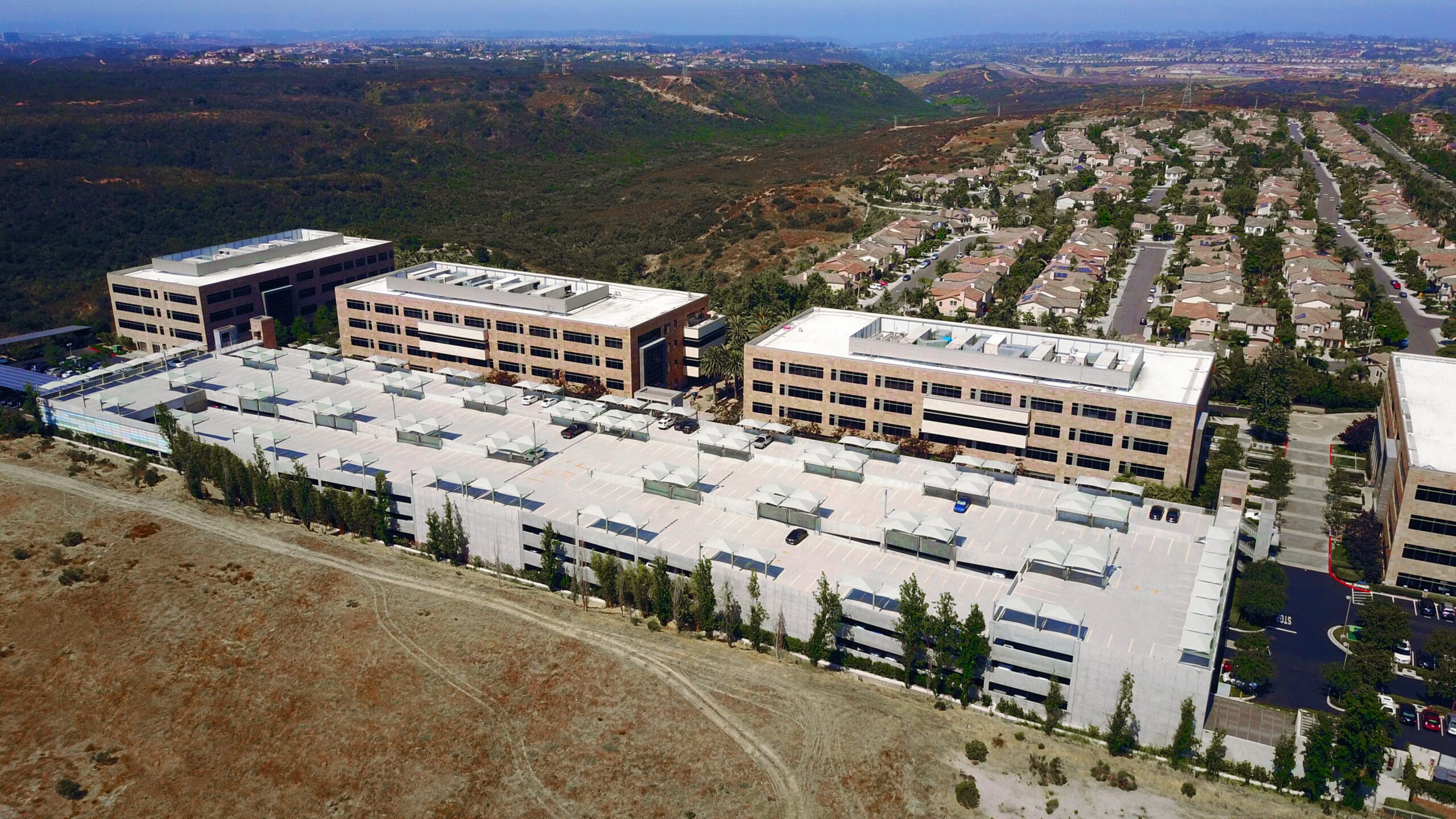
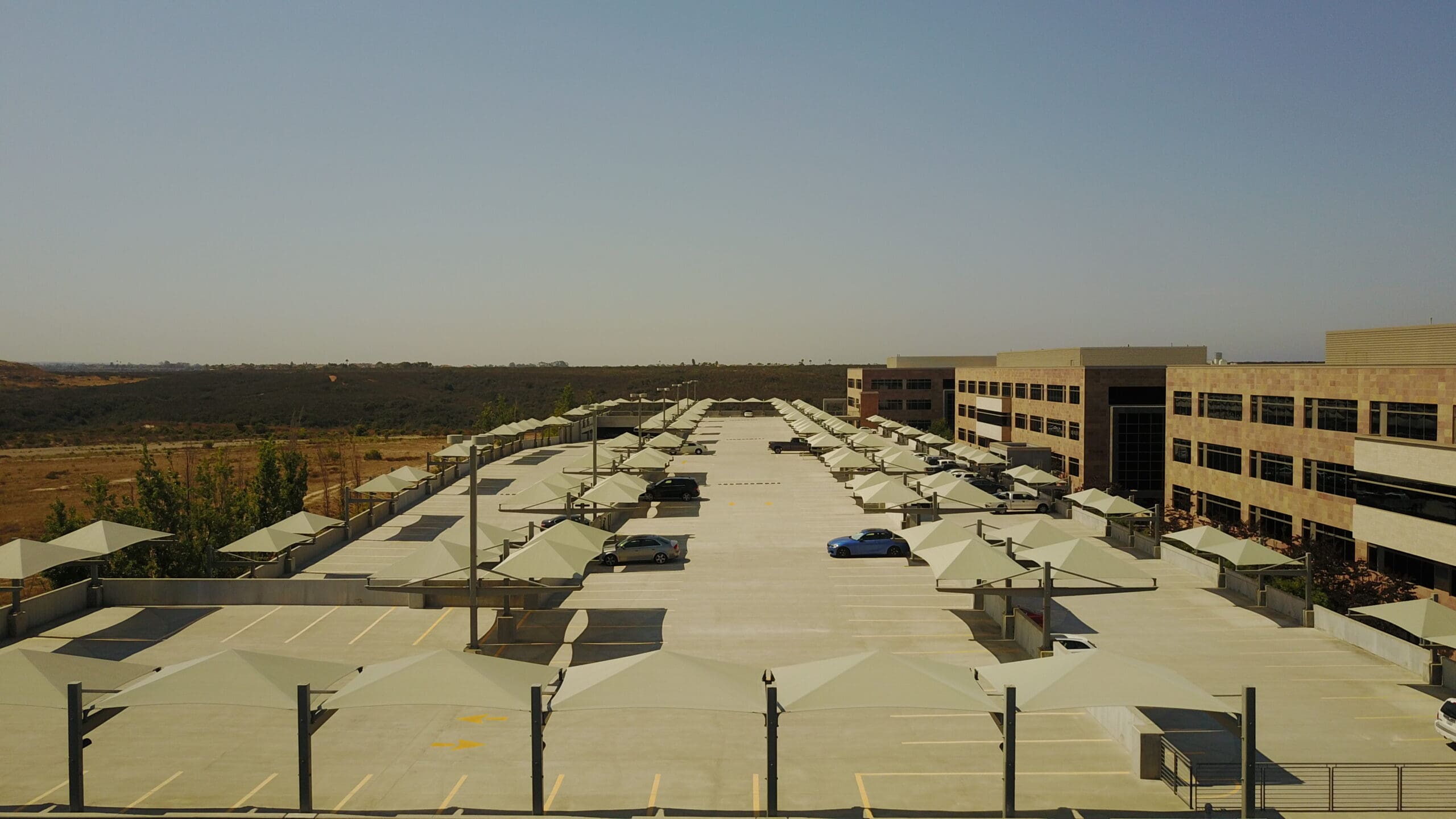
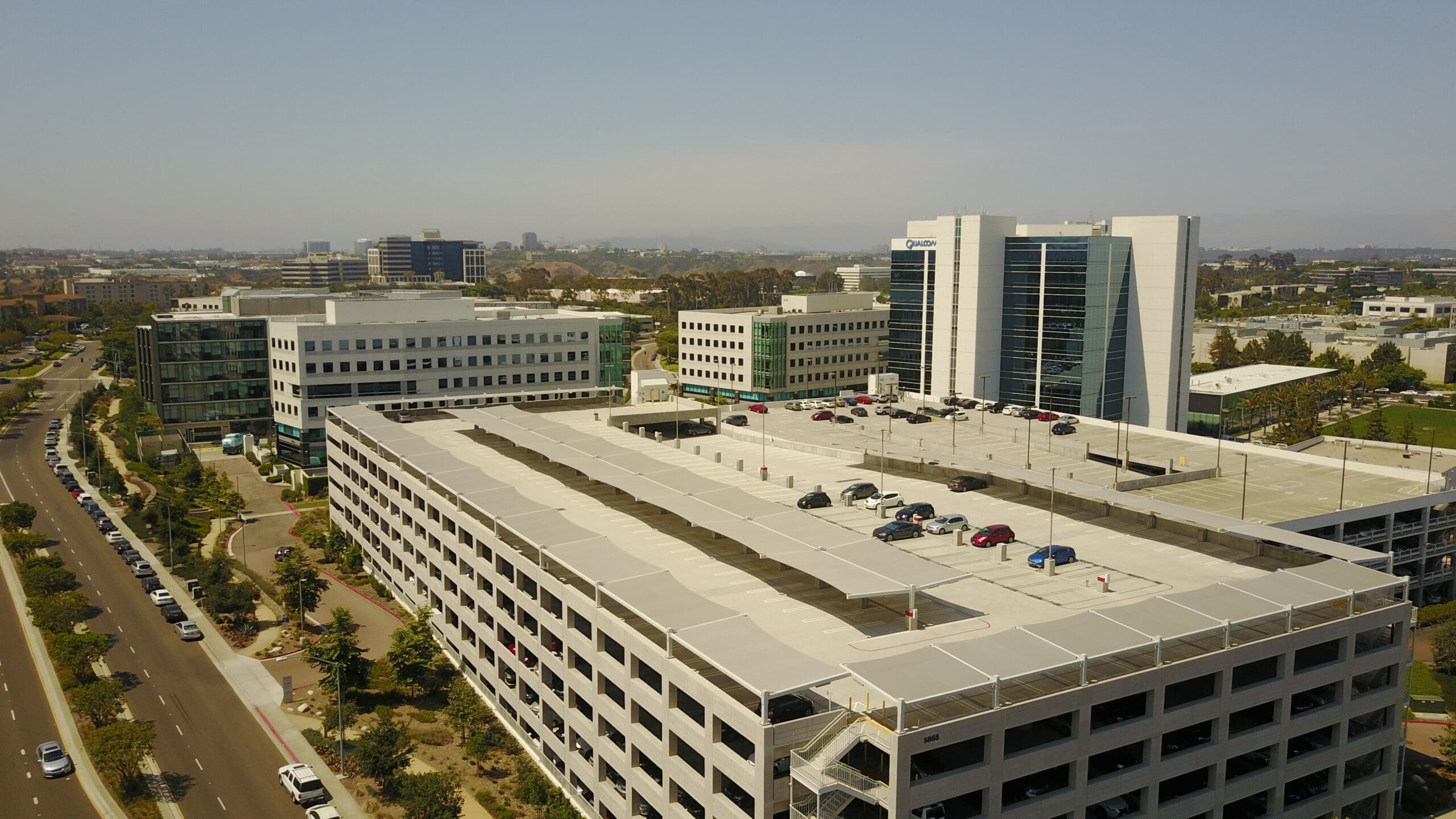
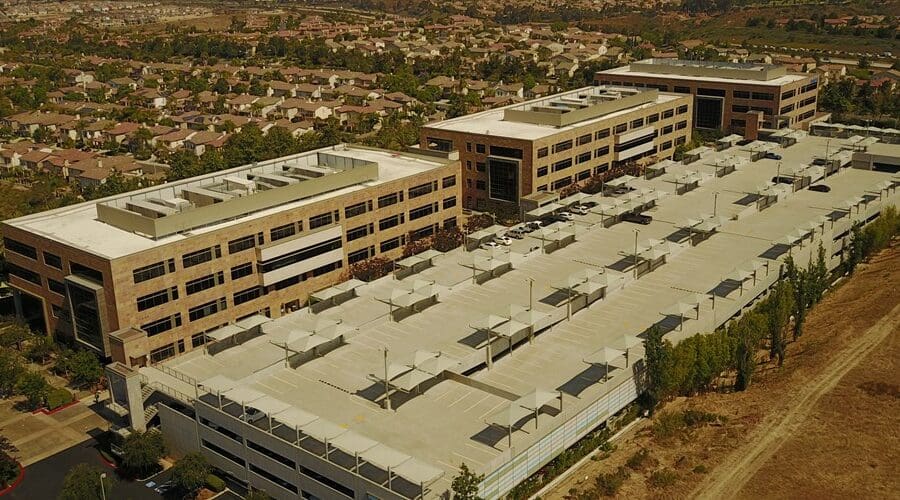
Improve your rooftop parking with our innovative shade structures that are designed to optimize space and provide vehicle protection. Covered parking solutions from VPS typically cost 15% to 20% less than adding another deck to the top of a parking structure.

Contact Our Team →

Create Rooftop Parking Shade Structures and Solutions

VPS works alongside structural engineers to determine the best covered parking solution for parking structures. VPS engineers can provide these structural engineers with details that will enable them to integrate appropriate attachment points into new garages.

Looking to learn more about our parking solution options? Check out our commercial parking brochure for more details!

Hail Protection Structure Options for Rooftop Parking

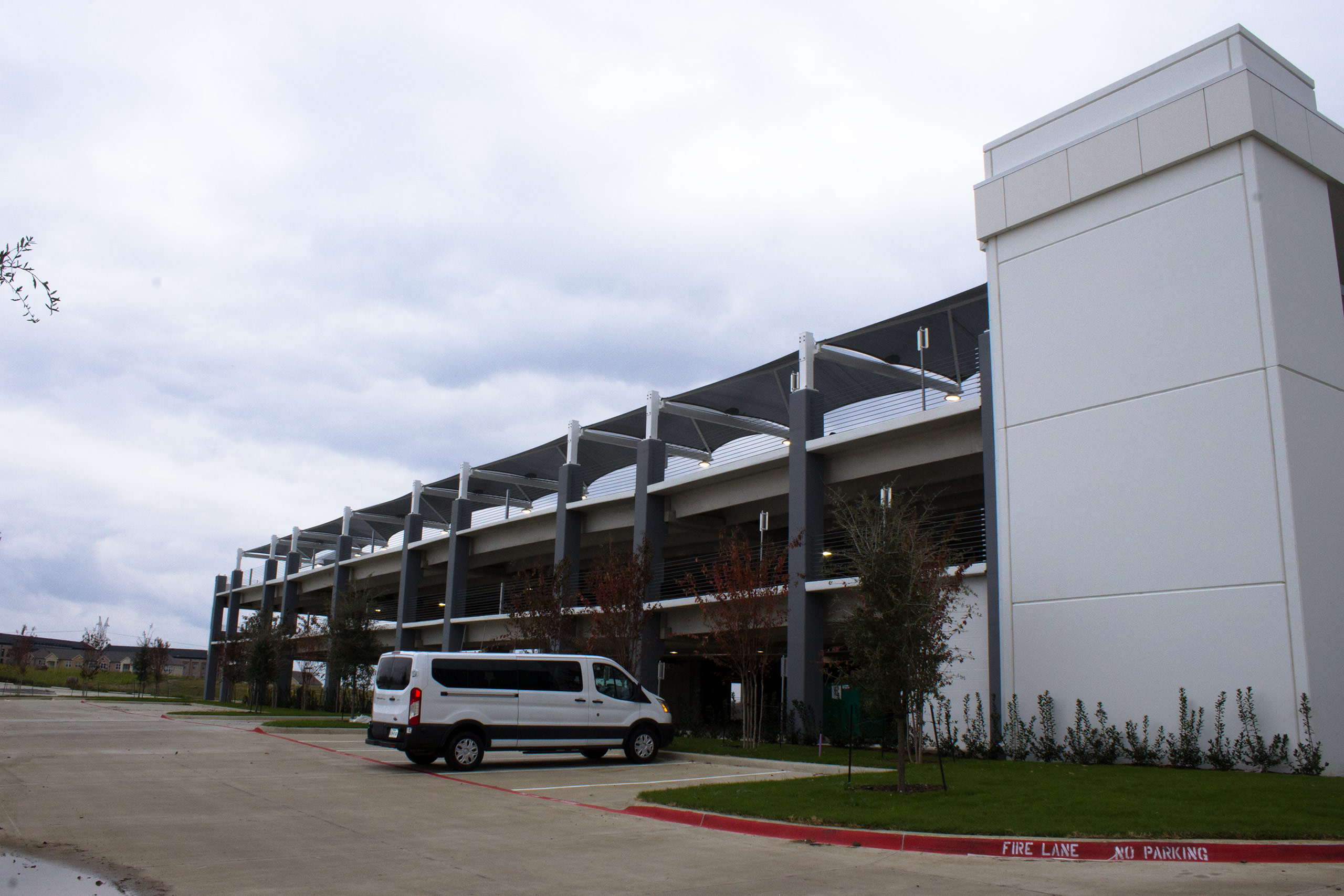
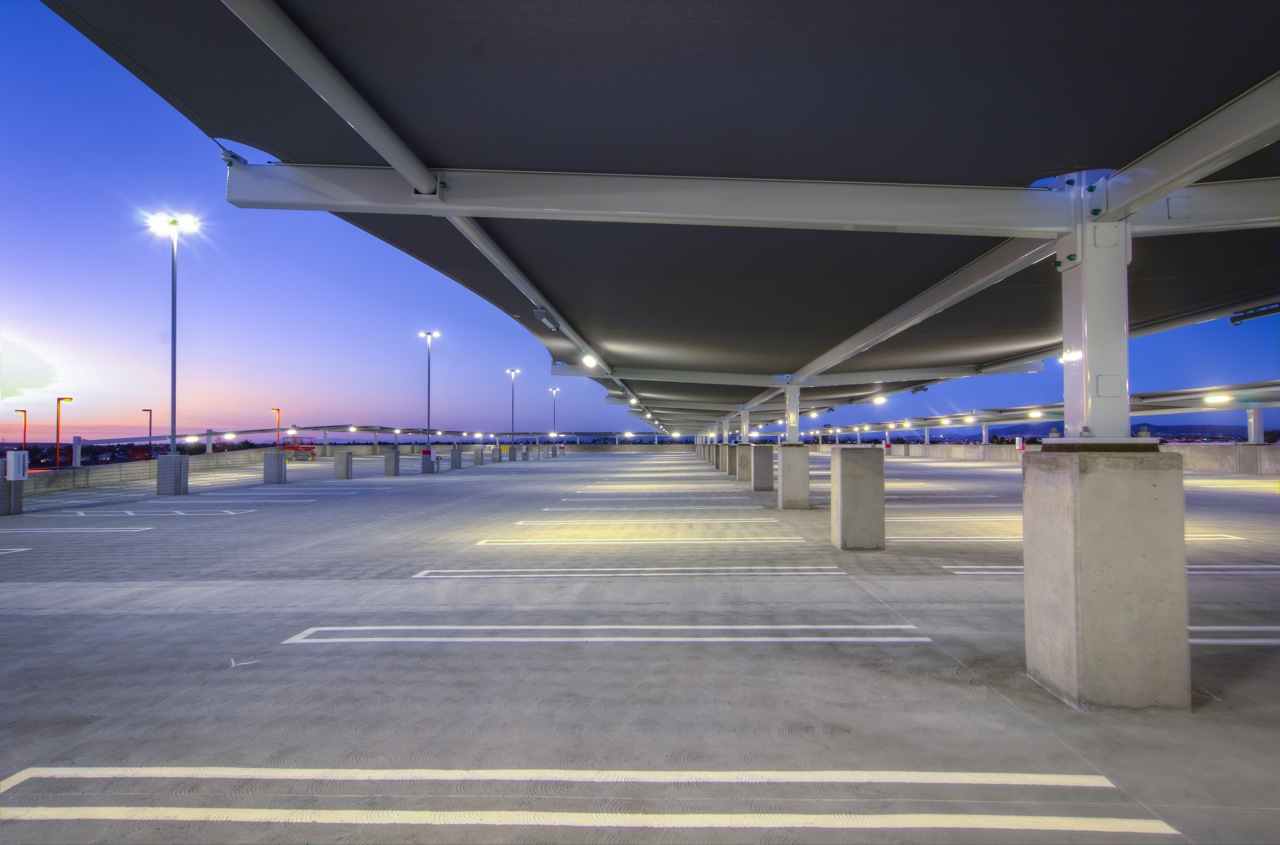
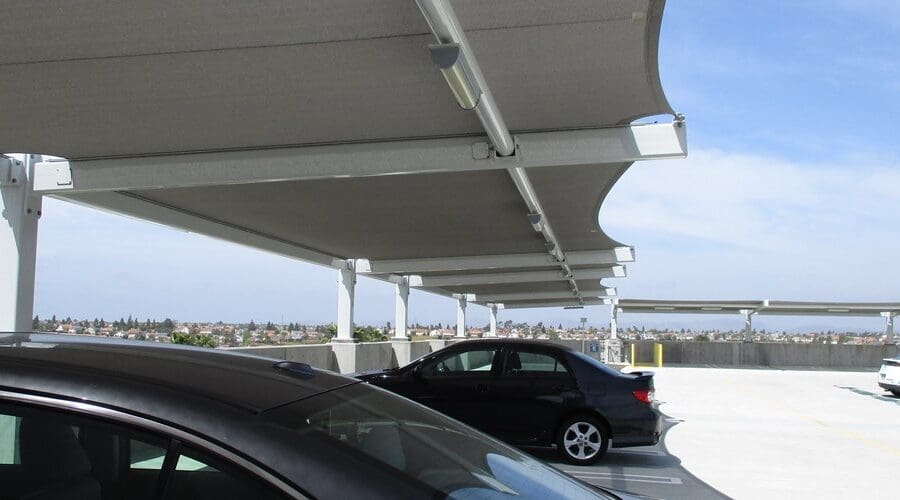
VPS rooftop parking shade structures protect vehicles at a high elevation in the open air from catastrophic damage due to hail. We design various rooftop parking solutions that can protect pedestrians while traveling in and out of the parking area and parking their vehicles.

Covered Walkways

VPS designs covered walkways to provide a safer walking area, reducing the risk of slips, falls, and hail strikes during severe storms. Covered walkways instill confidence in potential visitors that their vehicles will remain well-protected.

Mass Coverage

Mass coverage structures can provide large, open spaces with heavy-duty hail protection. For example, large shopping malls and hospitals may need mid- to large-size solutions to cover significant parking areas. The VPS Protector Series products offer mass coverage and can be customized to fit specific needs.

Cantilevers

Cantilevers are space-saving hail protection options that eliminate the need for traditional columns or support braces. They allow for more rooftop parking spaces and help drivers navigate tight spaces more easily.

Solid Membrane

For enhanced hail protection and visual appeal, VPS can create structures using high-density polyethylene (HDPE) scrim, polyvinyl chloride (PVC), and polytetrafluoroethylene (PTFE) commercial fabrics. These fabrics provide additional hail protection and are available in several colors.

Solar Integrated Hail Protection

Combining the benefits of hail protection with the long-term financial advantages of solar power generation, solar hail protection structures feature rooftop solar panels that can provide a significant return on investment over time.

Waterproof Shade Structures for Rooftop Parking

In addition to hail and UV protection, we manufacture waterproof structures that protect vehicles and drivers from rain. Our solid membrane designs are engineered using HDPE scrim, PVC, and PTFE to offer maximum rain protection. HDPE scrim and PVC membrane fabrics are available in many colors, while PTFE comes in white.

These innovative structures help ensure a safe and comfortable walking experience, even during inclement weather. Each fabric offers varying levels of fire retardancy and non-combustibility to suit each project’s needs. And like our hail protection structures, our waterproof structures can be outfitted with several accessories to meet specific site requirements and enhance functionality.

Learn About Waterproof Shade Structures →

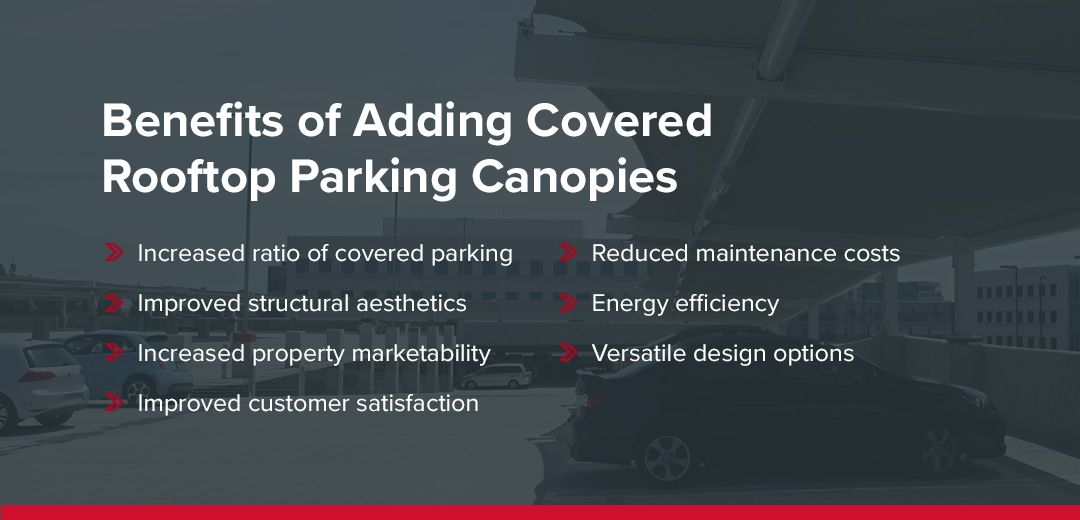
Benefits of Adding Covered Rooftop Parking Canopies
Benefits of Adding Covered Rooftop Parking Canopies

Investing in covered rooftop parking solutions offers a host of advantages for property owners:

  • Increased ratio of covered parking: With the addition of a protective structure on the roof, parking structures gain an additional level of covered parking spaces.
  • Improved structural aesthetics: Protective fabric structures can be much more aesthetically appealing than a typical concrete enclosure.
  • Increased property marketability: Adding more desirable, well-protected parking spaces can significantly enhance the overall marketability of parking spaces and the property as a whole.
  • Improved customer satisfaction: By offering covered rooftop parking that protects from the elements, property owners can demonstrate their commitment to customer safety and convenience, possibly leading to increased customer satisfaction and loyalty.
  • Reduced maintenance costs: Integrating durable fabric structures helps prevent water- and hail-related damage to the underlying structure, which can reduce the need for costly repairs and maintenance over time.
  • Energy efficiency: Covered rooftop parking structures can help reduce the urban heat island effect by providing shade and lowering the temperature of the parking surface, potentially leading to energy savings for the property.
  • Versatile design options: With a range of customizable features and designs, covered rooftop parking structures can be tailored to suit each property’s needs and aesthetic preferences.

Partner With VPS for Rooftop Parking Protection

Property owners can prioritize customers’ safety and satisfaction by investing in advanced rooftop parking structures from VPS. With a wealth of expertise and a proven track record in the asset protection industry, VPS delivers innovative, functional and aesthetically pleasing solutions that provide comprehensive protection against hail and other environmental hazards.

Contact the VPS team today for a free quote on standard or custom rooftop parking protection solutions.

Contact Our Team →

Increased ratio of covered parking

Increased ratio of covered parking

Improved structural aesthetics

Improved structural aesthetics

Increased property marketability

Increased property marketability

FAQs

VPS is here to answer frequently asked questions for our rooftop parking solutions. We design these structures to meet the demands of elevated parking environments. Learn more about our rooftop parking structures below.

The weight capacity of rooftop parking structures depends on the design, column spacing, and foundation system. Our engineering team collaborates with structural experts to assess the existing parking deck’s load-bearing capacity before designing a solution. Many of our parking lot roof installations use lightweight materials such as HDPE mesh fabric and aluminum or steel framing to minimize dead load.

Yes. Many of our rooftop parking structures can accommodate solar panels. The Apex Series features a flat-roof design engineered to support photovoltaic arrays. Solar integration allows property owners to generate clean energy while providing vehicle protection. Our team coordinates with engineers to verify proper load distribution, conduit routing, and compliance with local codes.

We work with civil engineers to verify that the structure’s slope, gutter placement, and downspout locations align with the existing roof drainage system, protecting the parking deck from water-related deterioration. Proper drainage can prevent water pooling and structural damage. Our waterproof membrane structures include integrated drainage systems that channel rainwater away from the parking deck.

Covered rooftop parking transforms underutilized space into a premium amenity. Property owners can charge higher rates for protected spots, offering customers peace of mind against hail damage and extreme temperatures.

In markets where hailstorms are common, covered rooftop parking can differentiate properties, attracting tenants and improving overall value. Properties with solar-integrated structures may appeal to sustainability-focused businesses seeking green building credentials.

Yes. We specialize in retrofitting existing parking structures with shade and hail protection canopies. Our engineers conduct structural assessments to determine load capacity and identify attachment points. We use a phased installation approach to maintain parking availability during construction, minimizing disruption to operations.

Yes. Wind resistance is fundamental to every design. Elevated locations often experience higher wind speeds and greater uplift forces than ground-level installations. Our engineering team calculates wind loads based on geographic location, building height, and local code requirements. Structures are anchored with reinforced foundations, and fabrics are tensioned to withstand significant windstorms.